
 Image 1 of 5
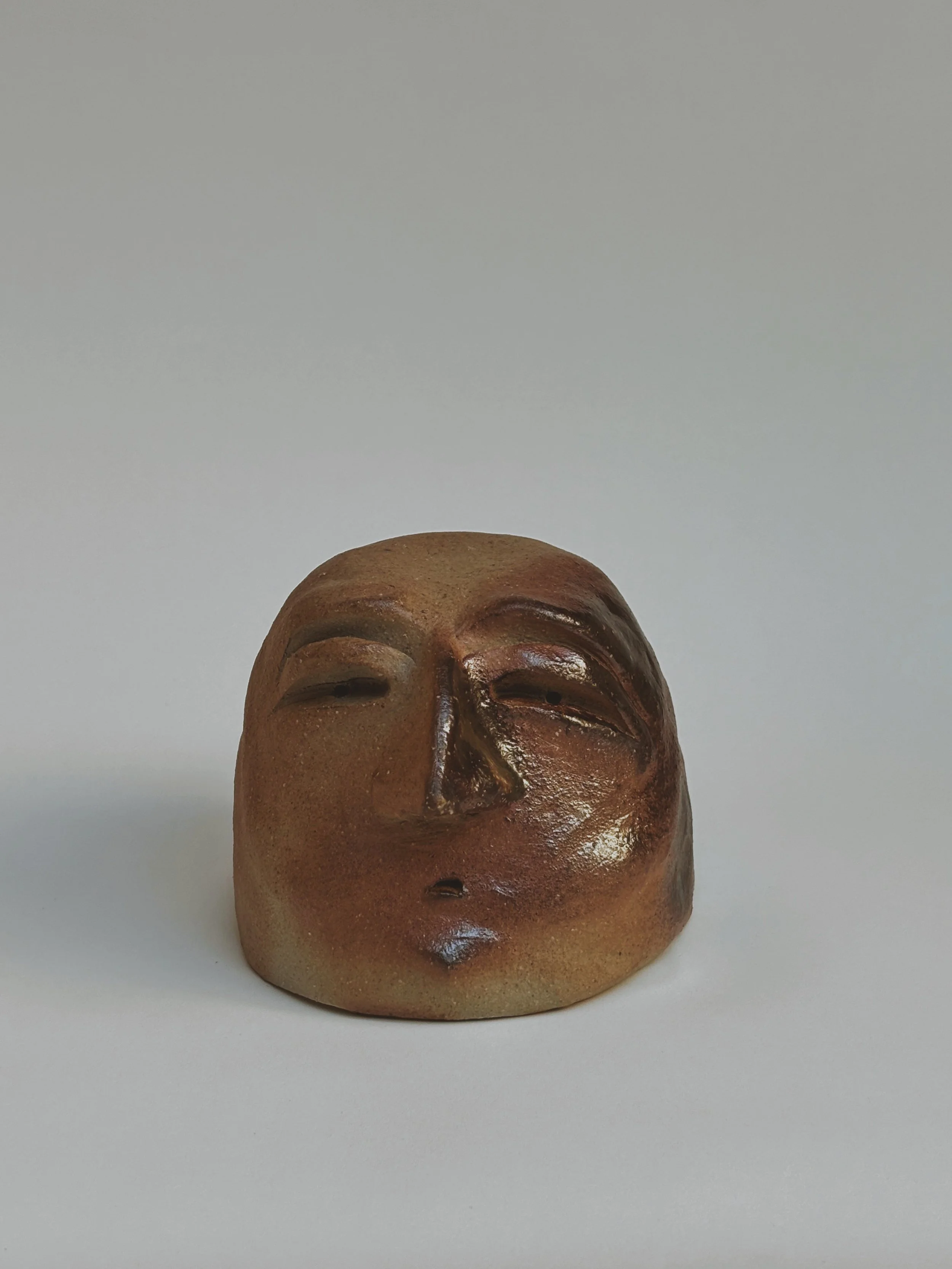 Image 2 of 5
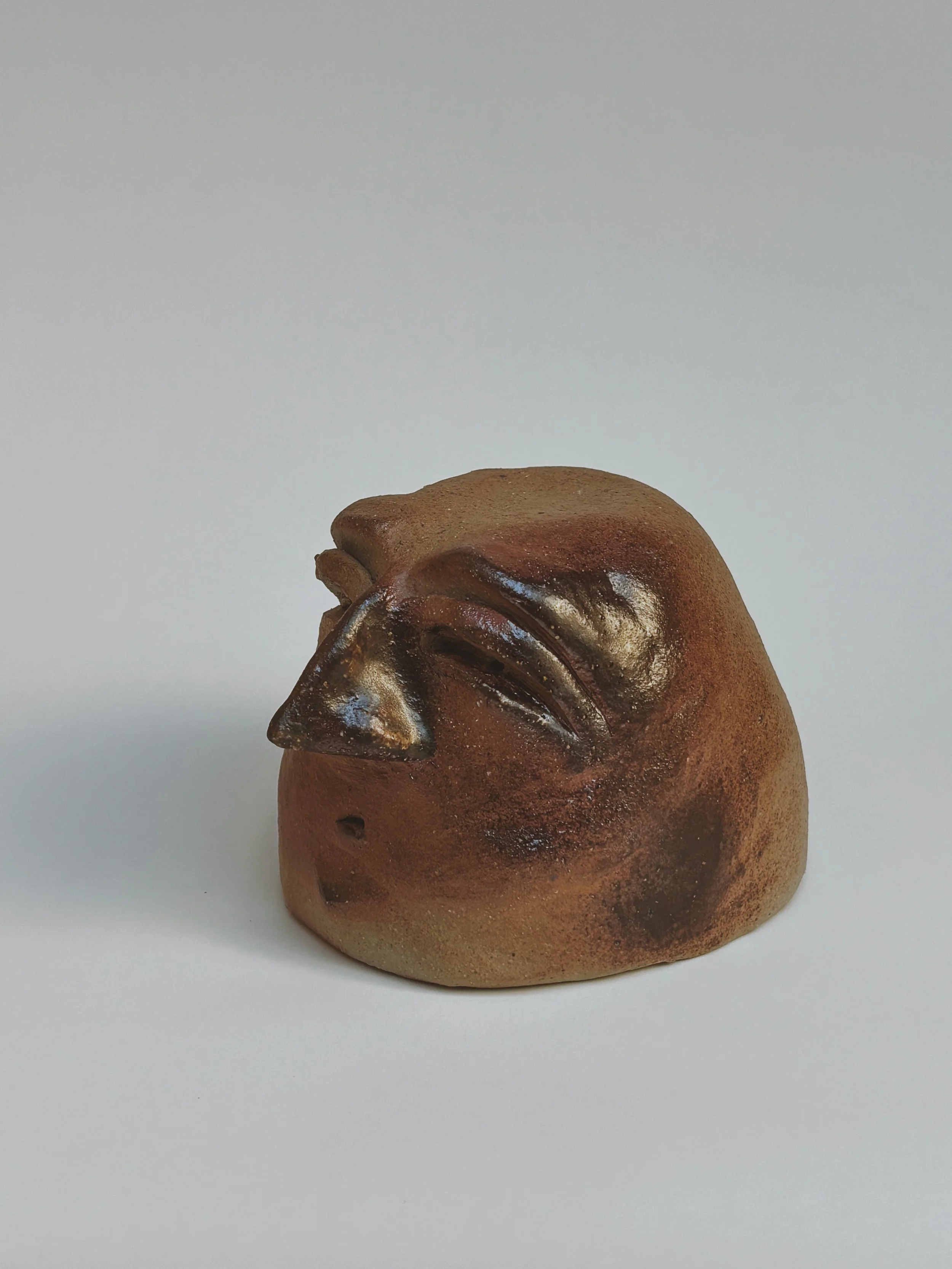 Image 3 of 5
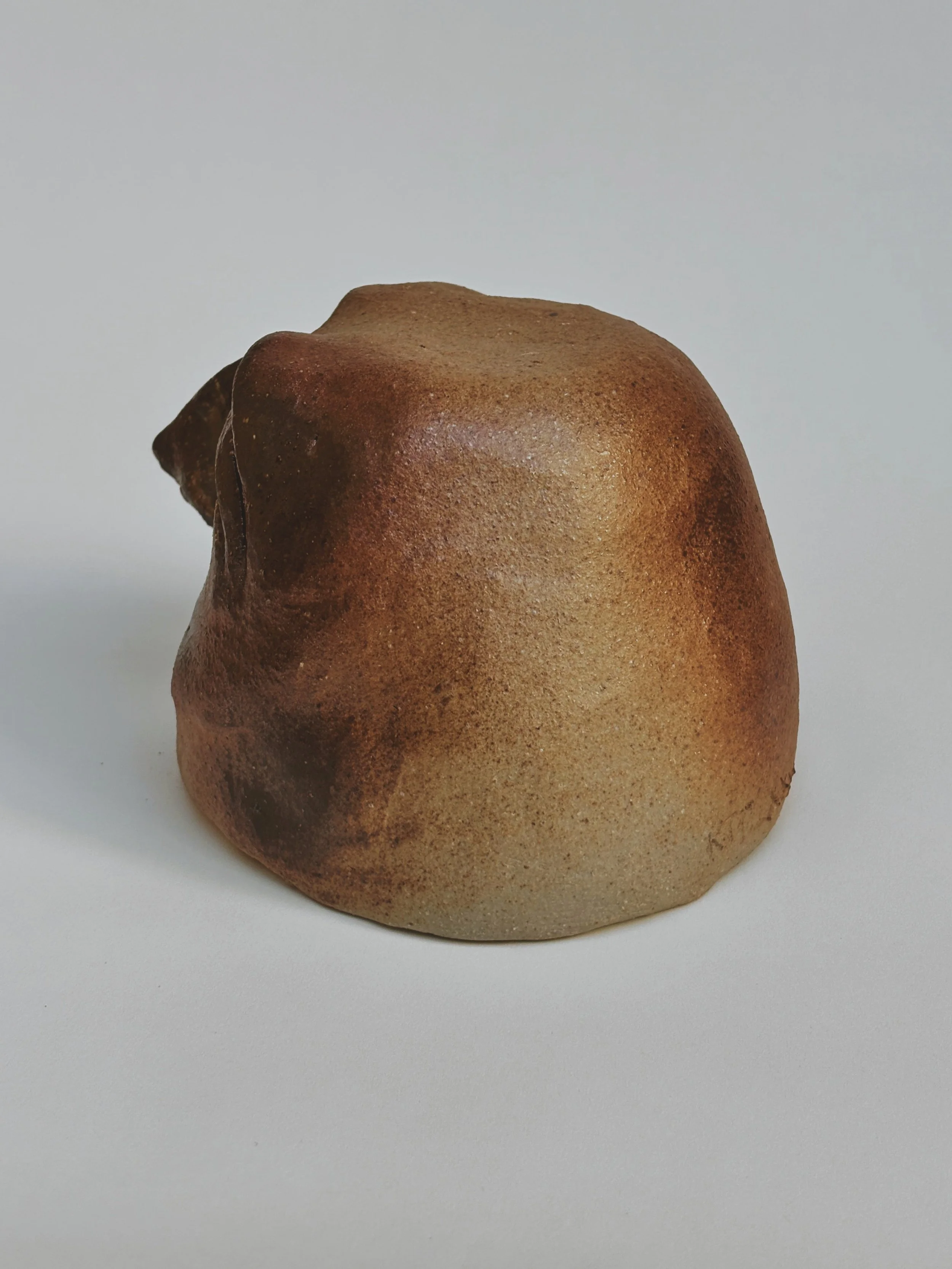 Image 4 of 5
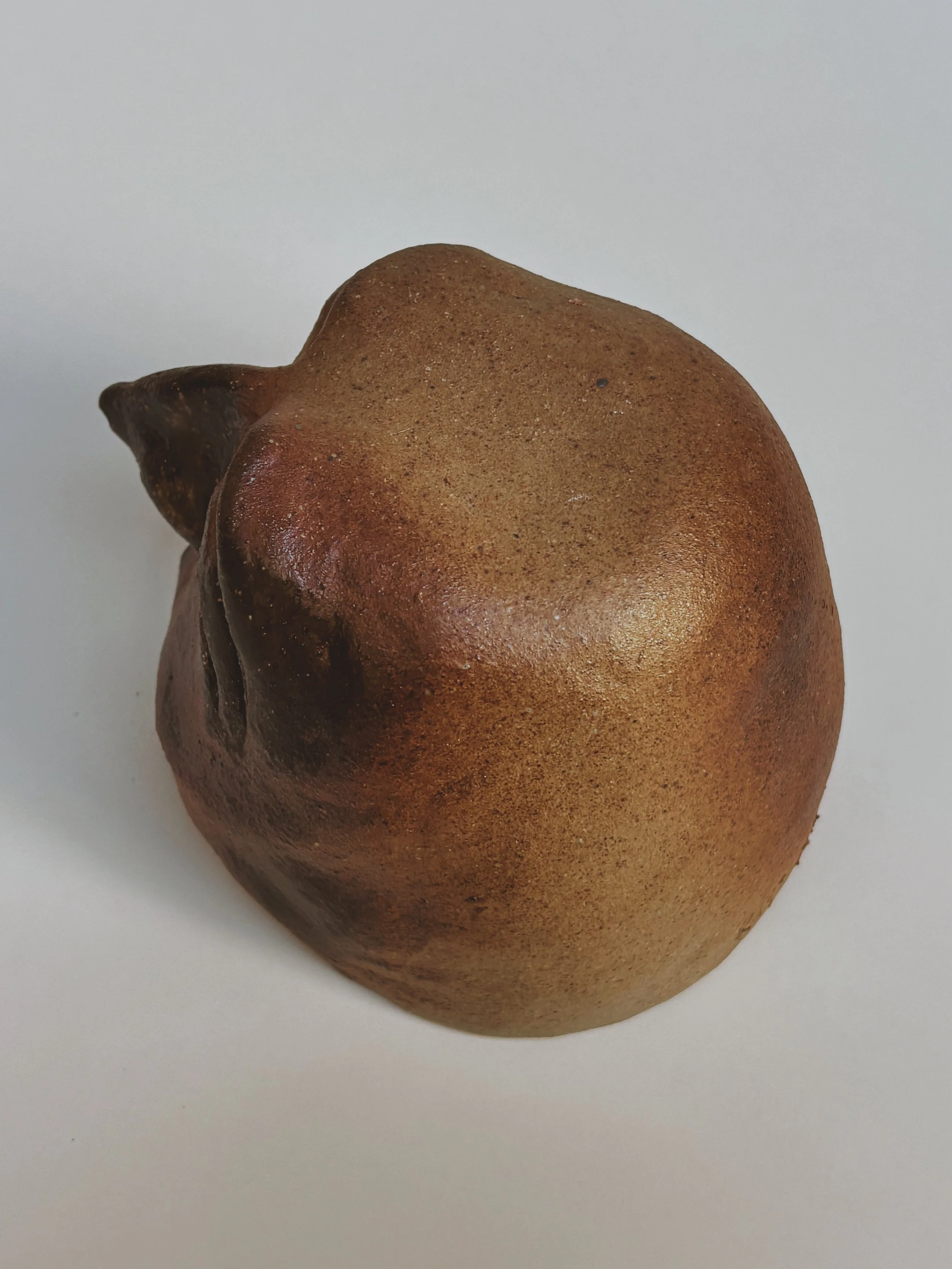 Image 5 of 5
By Regina Torres Thompson
Unique
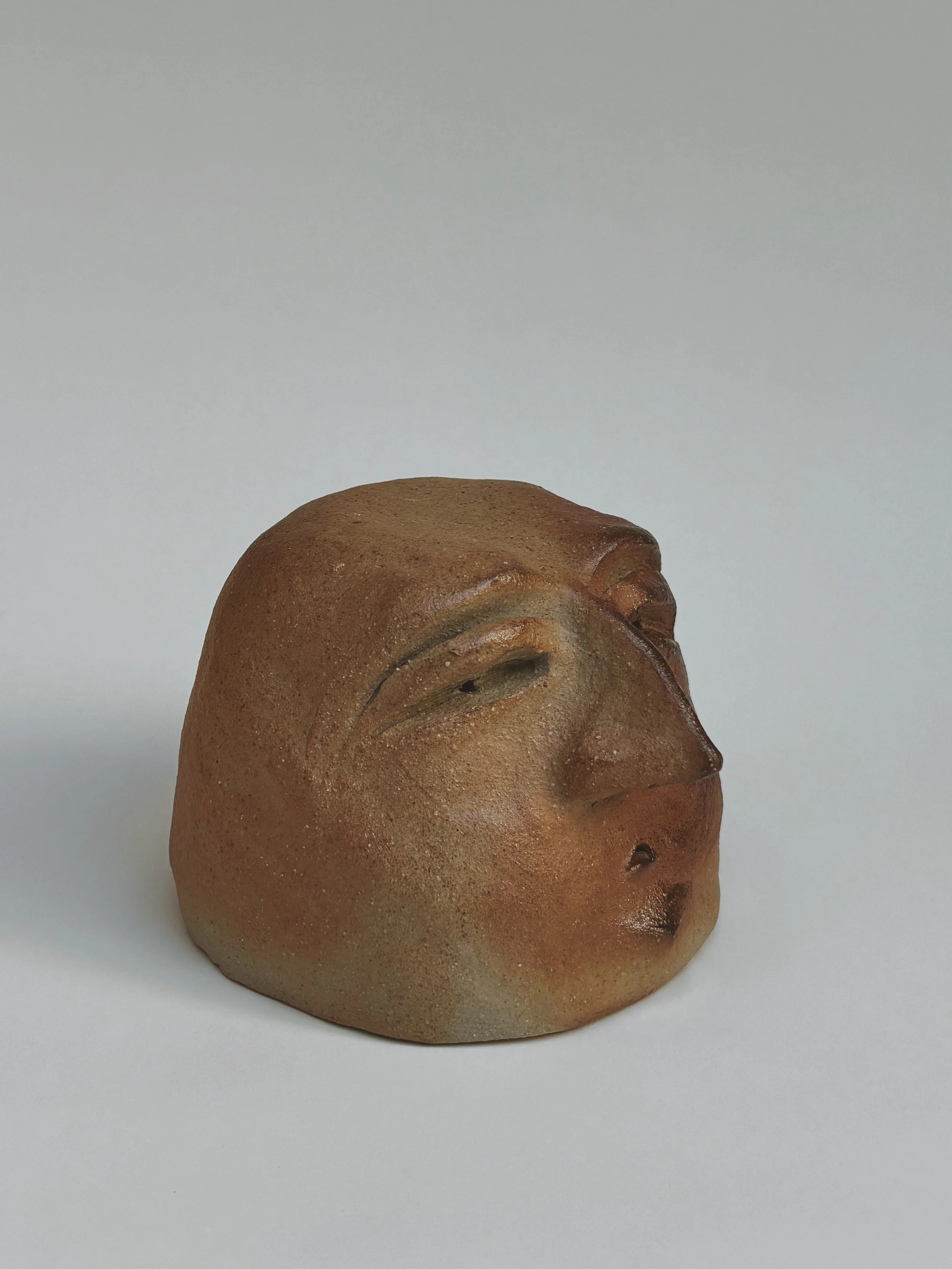
The Señor de Ceniza, literally ‘Man of the Ashes’, represents the paradox of power and impermanence.
The work draws on the symbolism of ash in Śaiva traditions, where it is associated with renunciation, the destruction of the ego, and the impermanence of the material world. In these traditions, ash also has a ritual significance, particularly in relation to Śiva and the use of sacred ash (bhasma). Ash marks the end of one form and the possibility of another. The Señor de Ceniza is, in this sense, part of the cycle of destruction and renewal.
This piece was made from stoneware clay and fired in a wood-fired kiln. It is unglazed; its surface is formed by the marks left by wood ash travelling through the kiln.