
 Image 1 of 1
By Annie Sheldon
Unique
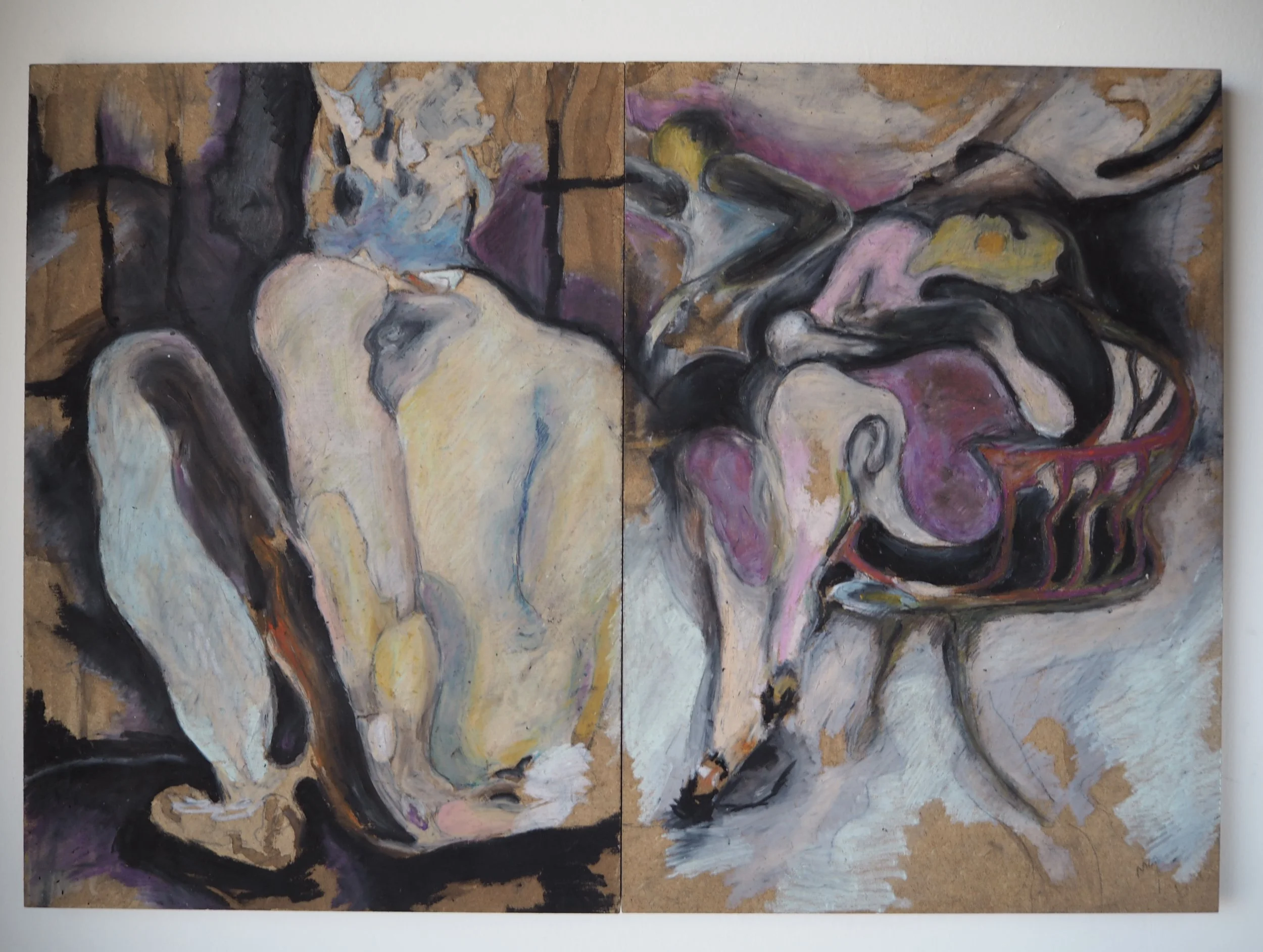
This piece is a response to a poem by William Wordsworth of the same name. Wordsworth builds ‘Intimations of Immortality’ around a painful recognition: the adult speaker can still see nature’s beauty, but what is gone is a mode of seeing—the celestial, inward brightness of childhood that once clothed every common sight. While the speaker can never regain that kind of vision, he concludes that he can still build his faith upon his memories of it. The way the world looks to children, he argues, is a hint that every human soul comes from heaven and will return there one day.